A Guide to Fish Finder Features: What All Anglers Need to Know
Comprehending fish finder features is crucial for all anglers seeking to boost their success while fishing. Numerous factors, such as sonar technology and GPS integration, play significant roles in improving the overall fishing experience. Each feature can impact how successfully one can navigate and spot fish. Yet, fish finders are not all made the same. Anglers must consider their specific needs and the many options available. Which elements should be considered first to guarantee a successful outing?
How to Choose the Right Fish Finder for Your Needs
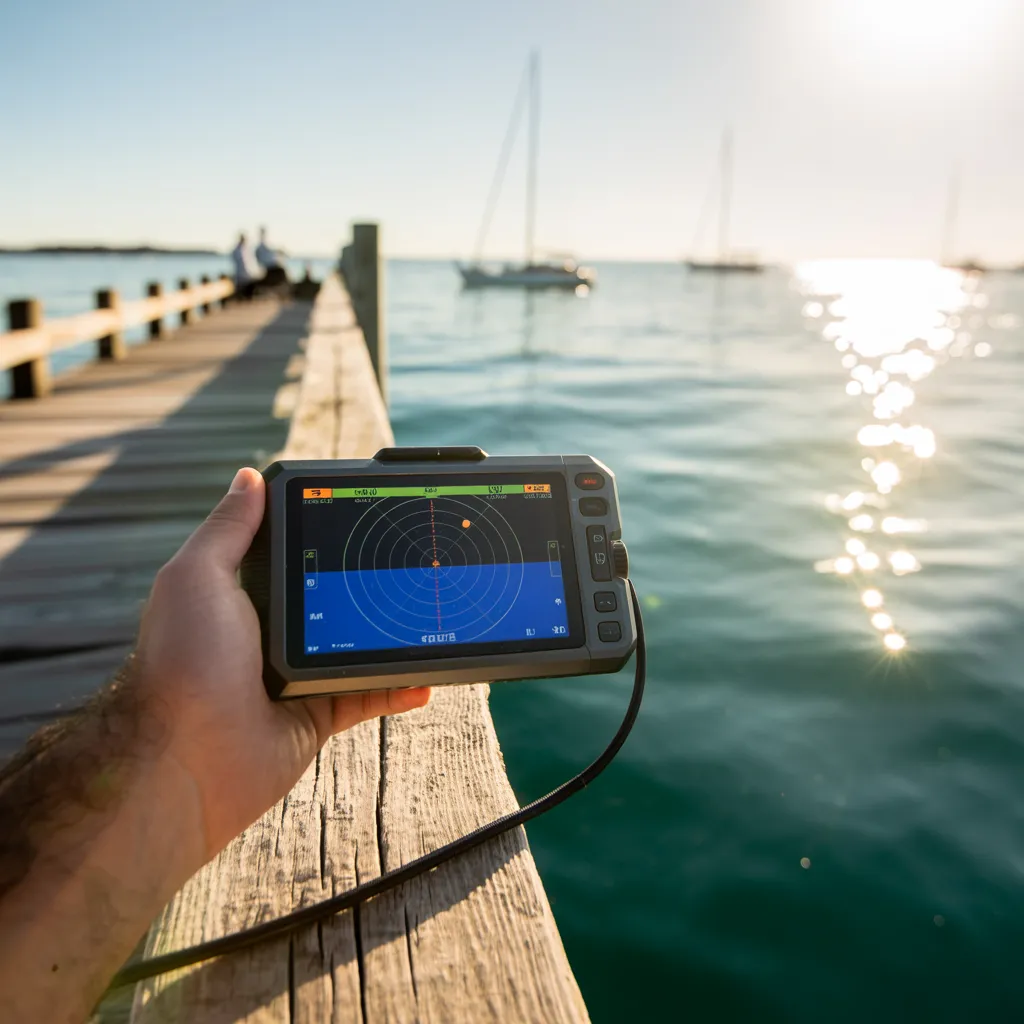
When choosing a fish finder, what factors should anglers consider to make certain they choose wisely? Initially, the type of fishing determines the required specifications. For instance, freshwater and saltwater fishing may require different specifications. Furthermore, screen size and resolution are vital; larger, high-resolution displays enhance visibility and ease of use. Ease of transport is another key consideration, especially for those who fish from smaller boats or kayaks.
Transducer type and frequency play a significant role in performance; higher frequencies offer detailed images in shallow waters, while lower frequencies are more suitable for deeper water conditions. Moreover, navigation capabilities may offer significant benefits for anglers who often explore new fishing locations. Finally, budget considerations should align with the desired features without overspending. By evaluating these key factors, anglers can guarantee they select a fish finder that meets their specific fishing needs effectively.
Comprehending Sonar Technology and Its Key Benefits
Sonar technology serves as the cornerstone of today's fish finders, enabling anglers to locate underwater structures and schools of fish with precision. This technology uses sound waves to generate detailed images of the aquatic environment. By transmitting sound pulses and interpreting their echoes, sonar systems can accurately establish the depth, dimensions, and makeup of objects below the surface.
Two main categories of sonar exist: standard 2D sonar and cutting-edge 3D sonar. Although 2D sonar delivers fundamental depth and fish positioning information, 3D sonar delivers a significantly more detailed picture, displaying subsurface terrain features and fish activity. Such data empowers anglers to make educated determinations about ideal fishing areas and approaches.
The value of sonar technology reaches further than simple fish detection. It additionally improves safety by helping anglers avoid underwater hazards, thereby improving their overall fishing experience. Understanding sonar capabilities equips anglers with the tools needed for successful and efficient fishing outings.
Which Display Options Should You Think About?
When selecting a fish finder, anglers must evaluate the relevance of screen size and display type. A wider screen can improve visibility and ease of use, while the type of display—such as LCD or LED—impacts precision and functionality in different lighting conditions. Grasping these options is crucial for optimizing the performance of the device on the water.
The Importance of Screen Size
The screen size of a fish finder plays an important part in an angler's experience on the water. A larger display enhances visibility, making it easier to read important data such as depth readings, fish whereabouts, and underwater structure. It minimizes the need for squinting or leaning in, which can be particularly beneficial during longer fishing sessions. On the other hand, compact screens can restrict detail and sharpness, making it harder to spot important underwater features. Moreover, screen dimensions have an effect on portability; compact models are easier to transport but may sacrifice readability. Ultimately, selecting the right screen size depends on the angler's preferences, fishing style, and the environment in which they operate. Making a careful selection can considerably elevate the quality of every fishing outing.
Screen Type Options
When selecting a fish finder, anglers should thoughtfully evaluate the different display types to choose from, as they significantly impact performance and ease of use. The primary options encompass LCD, LED, and OLED displays. LCD displays are widely used and provide clear visibility in various lighting conditions, while LED displays provide improved brightness and greater energy efficiency. OLED screens, though typically more expensive, offer superior contrast and color accuracy, making them more readable in direct sunlight. Furthermore, anglers should consider screen resolution and size, as these factors influence the clarity of displayed data. Touchscreen features can also improve the overall experience, facilitating faster browsing through options and menus. Ultimately, selecting the ideal display type can markedly improve fishing success and overall satisfaction.
Why GPS Integration in Fish Finders Matters
GPS technology in fishfinders significantly improves navigation features, permitting anglers to precisely identify their location on the water. This feature also facilitates waypoint organization, enabling users to mark and revisit effective fishing areas. Because of this, fishermen can refine their fishing approaches and increase their overall productivity while fishing.
Improved Navigation Features
Advanced positioning features in fish finders significantly enhance the sport fishing pursuit by utilizing GPS functionality. This merging empowers fishing enthusiasts to determine their exact location on the water, offering a trustworthy benchmark for traversing uncharted territories. With real-time mapping, fishers can record their movements, making certain they remain on course while angling. In addition, GPS-enabled sonar devices can reveal underwater measurements, bottom contours, and submerged features, increasing perception of the environment. This insight enables sport fishers reach informed decisions about the best casting spots. Furthermore, the fluid combination of echo data and GPS coordinates enhances complete performance, empowering fishermen to direct attention to their fishing strategies rather than worrying about direction. In summary, GPS integration greatly elevates the angling adventure, making it more secure and pleasurable.
Waypoint Control Features
Waypoint management features in fish finders are fundamental to enhancing an angler's efficiency on the water. These tools empower anglers to mark, store, and navigate to specific locations, such as productive fishing spots, underwater structures, or hazards. Through GPS functionality, users can readily access stored waypoints and view comprehensive maps, guaranteeing they can reproduce productive fishing trips. Furthermore, numerous fish finders provide the option to organize waypoints, permitting anglers to structure their top locations and distribute them among fellow anglers. This capability minimizes time spent searching for fish, enabling more targeted fishing activities. In the end, proficient waypoint management converts fishing from a haphazard activity into a calculated effort, increasing the likelihood of a successful catch.
Frequency and Transducer Types: Key Information You Need
How do anglers determine the best frequency and transducer type to suit their specific fishing needs? Selecting the appropriate frequency is essential, as it greatly impacts the fish finder's performance in various water conditions. Higher frequencies, generally spanning between 200 kHz and 400 kHz, deliver enhanced clarity and excel in shallow water environments, displaying fish and structures with improved accuracy. In contrast, lower-range frequencies, including 50 kHz, reach deeper water depths more effectively, rendering them ideal for offshore fishing scenarios where depths surpass 100 feet.
Transducer varieties also have a considerable impact. Traditional transducers are engineered for conventional sonar readings, while CHIRP (Compressed High-Intensity Radiated Pulse) transducers provide superior target separation and image clarity. Moreover, a number of transducers are equipped with various frequency options, permitting anglers to tailor their approach to diverse fishing environments. Understanding these features enables anglers to make informed decisions that enhance their fishing experience and overall success on the water.
How to Fine-Tune Fish Finder Settings for Better Performance
Adjusting sonar settings can considerably boost an fisherman's success on the water. To achieve peak performance, anglers should first calibrating the frequency based on their fishing environment. A higher frequency delivers more detailed imagery in shallow areas, while reduced frequencies are better suited for deeper waters. Next, the sensitivity setting needs to get the full story be configured to improve target visibility; raising sensitivity can help detect fish in cloudy conditions, while setting it too high may crowd the readout.
Additionally, using the right display mode—whether conventional 2D sonar or premium options like CHIRP—can enhance picture quality. Regularly updating the fish finder's software secures the benefit of the latest features and improvements. As a final point, familiarizing oneself with the device's controls and layout permits swift changes during trips on the water, improving the performance of the equipment and consequently boosting fishing success.
Essential Tips for a Productive Fishing Experience
Even though fishing serves as a calming leisure activity, planning and technique are essential for achieving good results. Those who fish should first focus on picking the proper tools designed for their unique fishing conditions. This means picking the right rods, reels, and bait that correspond to the desired fish species. Studying regional fishing rules and seasonal trends can offer valuable knowledge about the top fishing locations and optimal times.
Employing a fish finder significantly elevates the experience of fishing. Learning about its functions—such as sonar capabilities and depth measurement—can considerably increase catch rates. Additionally, staying well-informed about weather conditions and tides plays an essential role in organizing successful fishing outings.
Ultimately, practice a patient and adaptable mindset. Successful fishing often demands that you adjust your approach based on real-time observations. Anglers who blend preparation, technology, and flexibility can greatly maximize their chances of a successful outing while appreciating the tranquility of nature.
Frequently Asked Questions
Can You Use Fish Finders in Freshwater and Saltwater Environments?
Fish finding devices can indeed be used in both freshwater and saltwater conditions. That said, certain models can be built for peak functionality in one specific environment, so fishermen ought to select appropriately based on the conditions they fish in.
How Can I Maintain My Fish Finder for Longevity?
To maintain a fish finder for long-term use, regularly clean the transducer, avoid extreme temperatures, ensure proper storage, keep software updated, and inspect connections for corrosion. Adhering to these steps can considerably extend the lifespan and functionality of the device.
Are There Budget-Friendly Fish Finder Options Available?
Budget-conscious fish finder choices are certainly available. Several manufacturers produce trustworthy models with core features at reduced price points, making it easier for anglers to find suitable devices without overspending while still ensuring effective fishing experiences.
Is It Possible to Connect My Fish Finder to My Smartphone?
Indeed, a wide range of modern fish finders offer smartphone connectivity through Bluetooth or Wi-Fi. This feature permits users to manage settings, data, and maps directly from their handheld devices, elevating their overall fishing experience.
What Common Troubleshooting Steps Can I Take for My Fish Finder?
Common troubleshooting steps for a fish finder consist of verifying connections, ensuring power supply, fine-tuning the settings, checking the transducer for any damage, and restarting the device. These actions often resolve issues and restore functionality effectively.
Comments on “Fish Finder for Sale: Best Deals for Fishing Enthusiasts”